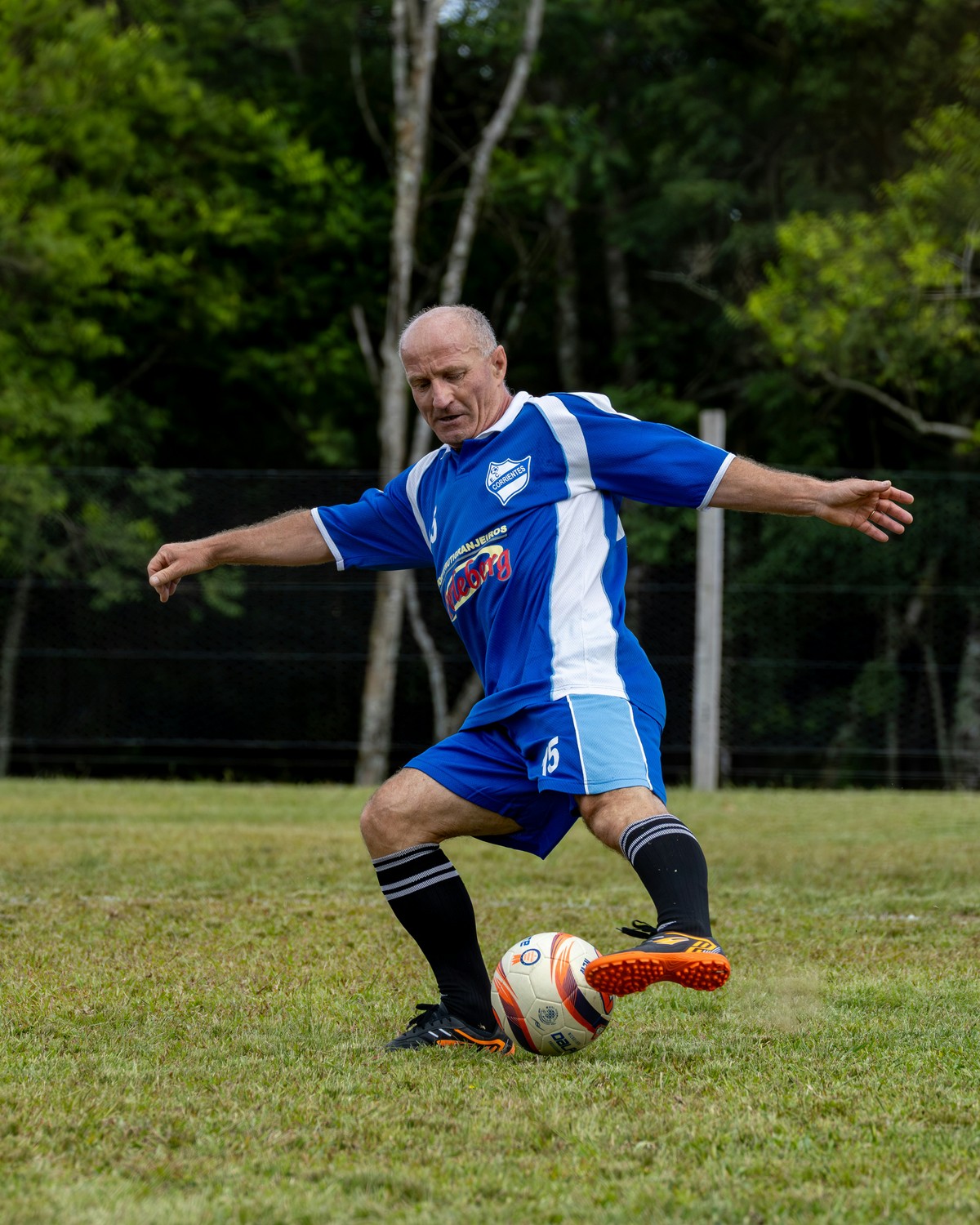
For Athletes Who Refuse to Slow Down
Support your recovery capacity and maintain competitive performance well into your 50s, 60s, and beyond.
Join 5,000+ guests who've extended their competitive years
Take the Free AssessmentCan regenerative therapy speed recovery and keep you competitive after 40?
Staying in the game after 40 is less about training harder and more about recovering smarter — and that is where regenerative medicine gets genuinely interesting. Masters athletes recover differently with age (Borges et al., 2016), and clinical trials have studied mesenchymal stem cells for the stubborn tendon injuries that sideline active adults (Soler et al., 2023). It is not a guaranteed fix or a shortcut past rehabilitation; outcomes vary, and care is delivered by licensed physicians at our Sterling-certified partner clinic.
Educational information only — not medical advice, and individual results vary. Treatment is delivered by licensed physicians at our Sterling-certified partner clinic. How care is governed
If training harder, sleeping more, and optimizing nutrition still isn't getting you back to where you were... Discover the Cellular Reset
Your Sport. Your Recovery.
Targeted benefits for the activities you love.
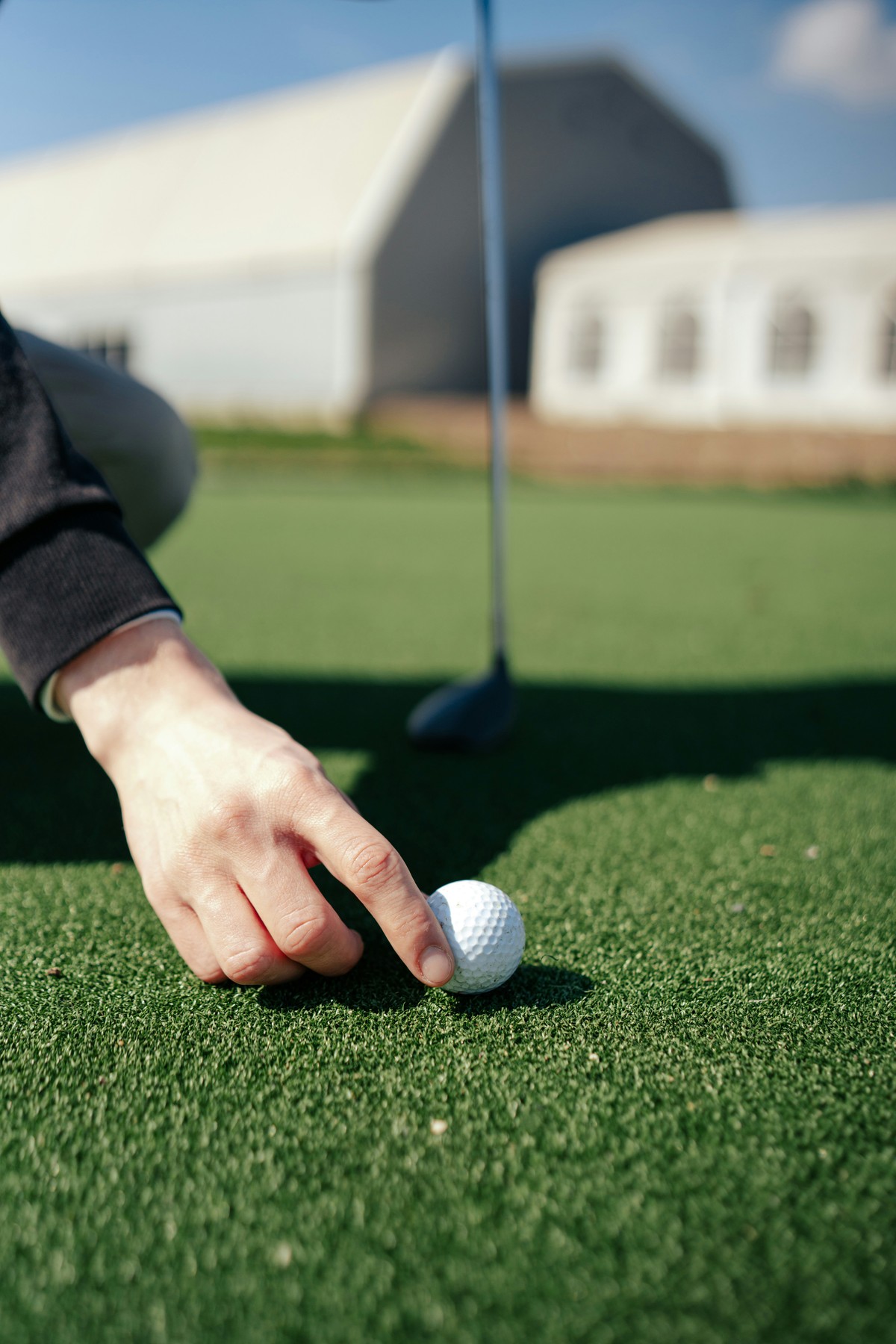
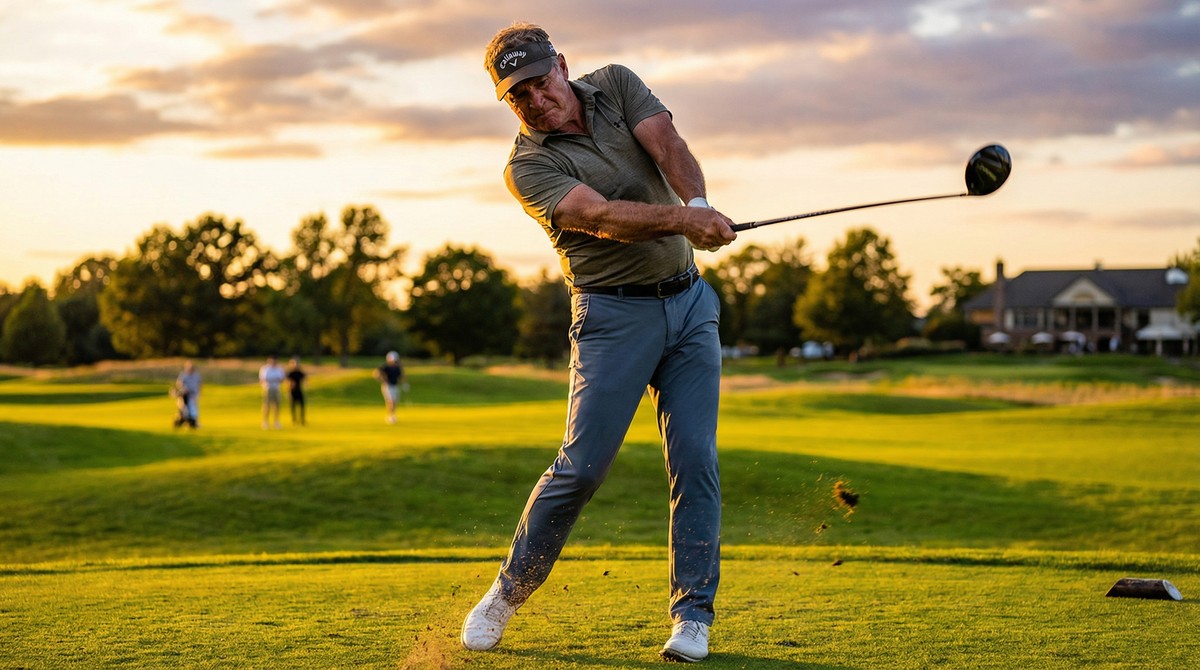
Golf
- Knee & hip joint preservation
- Lower back disc support
- Rotational flexibility

Tennis
- Shoulder rotator cuff health
- Tennis & golfer's elbow
- Achilles tendon support
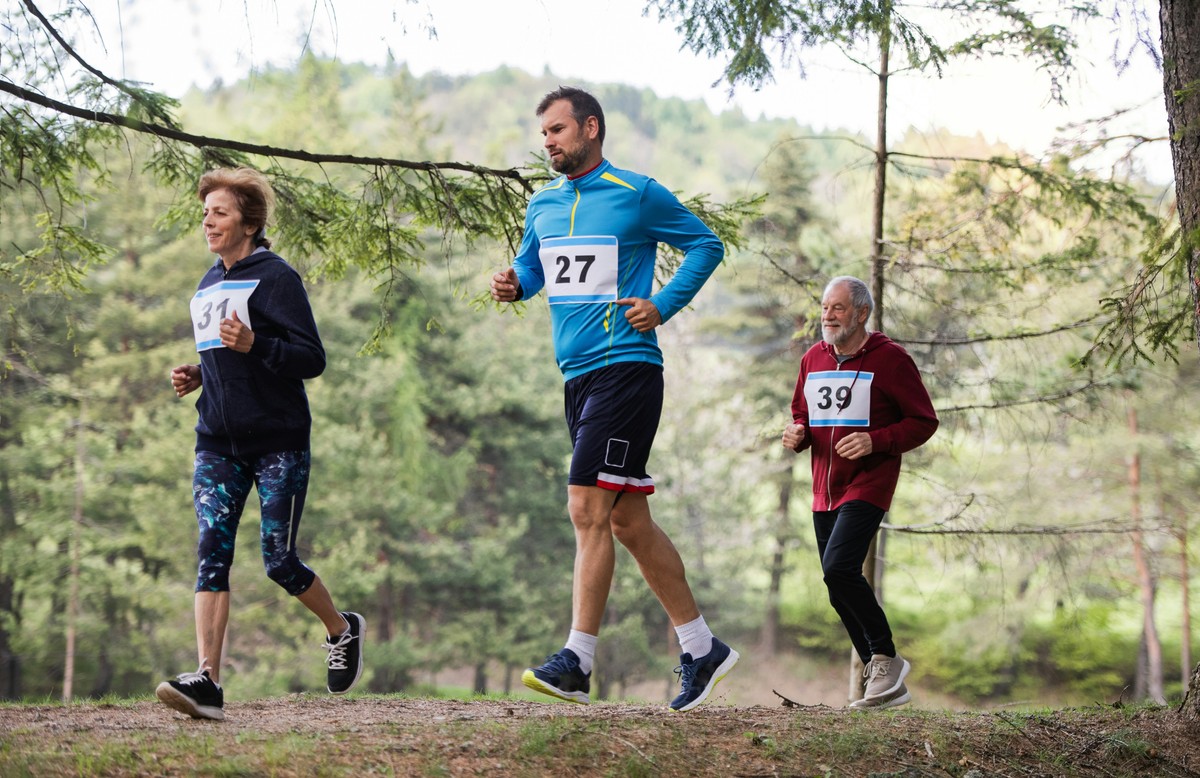
Running
- Meniscus preservation
- Cartilage support
- Bone stress injury prevention

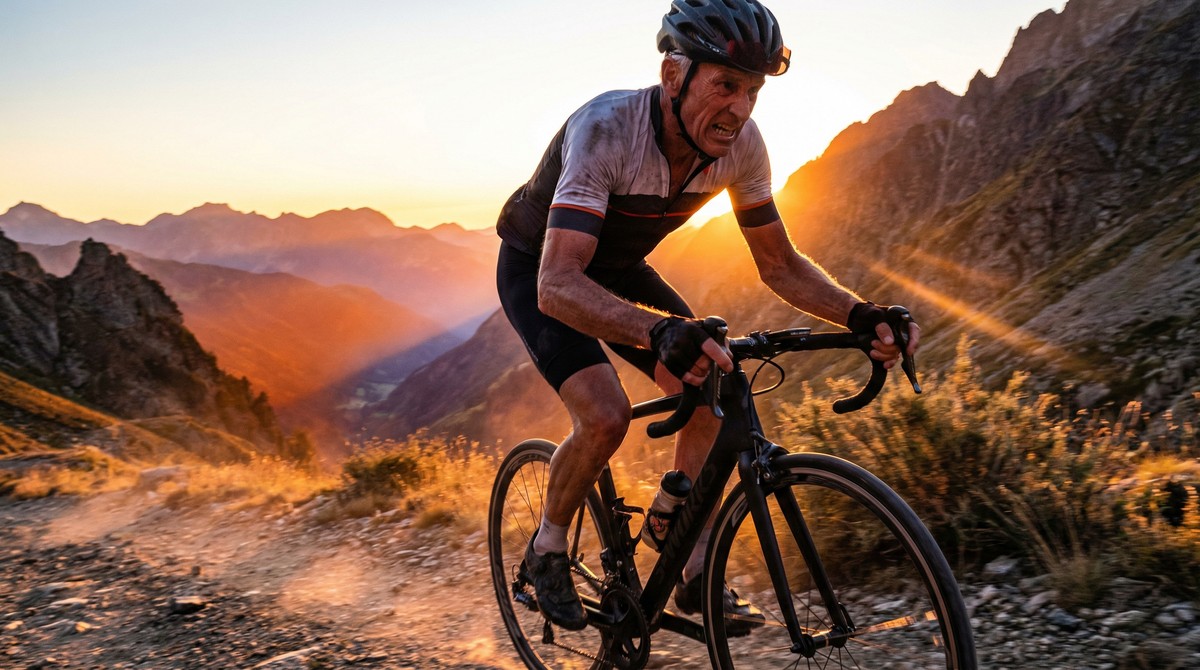
Cycling
- Knee joint longevity
- Hip flexor health
- Overuse injury prevention
Recover Like You Used To
Address the cellular mechanisms behind slower recovery in masters athletes.
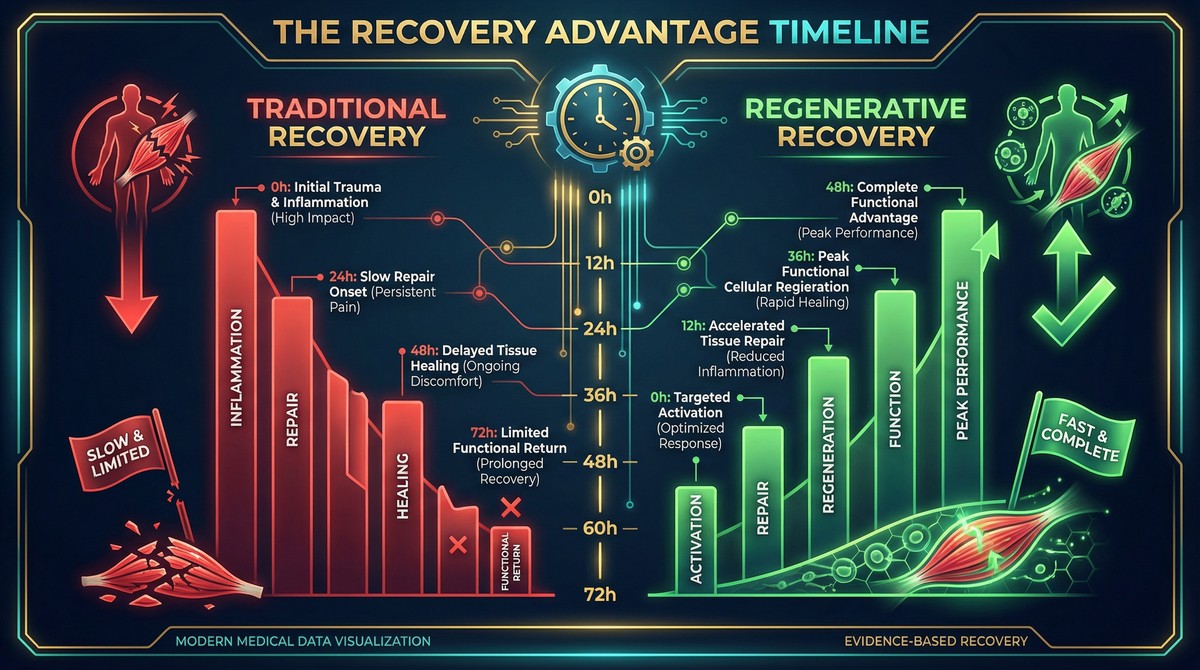
Reduced Recovery Time
Post-workout soreness that took 72 hours now resolves in 48—or less.
Injury Prevention
Address tendon degeneration before it becomes a tear requiring surgery.
Sustained Performance
Maintain competitive capacity through cellular renewal and inflammation management.
Wonder if cellular regeneration could help your athletic performance?
Check Your Candidacy — FreeThis Could Be You
Our athletes don't slow down — they dominate. See what's possible when recovery matches ambition.

Stay in the Game
Prevent the injuries that sideline masters athletes.
Tendon Preservation
Support aging tendons before microtrauma accumulates into major injury.
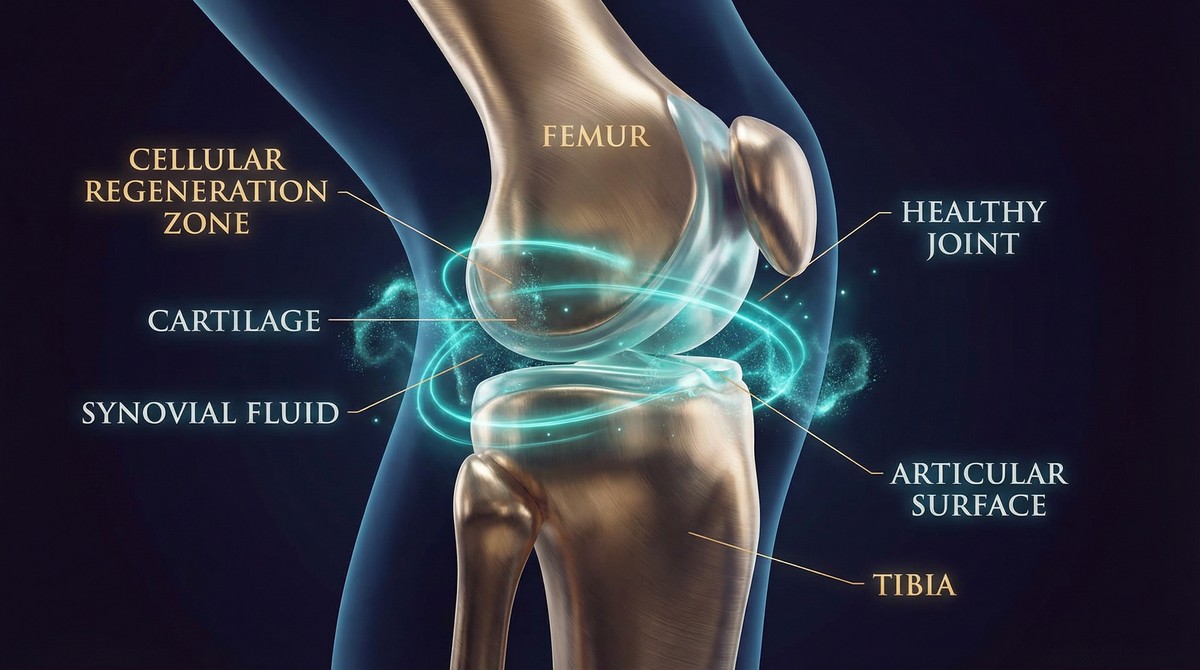
Cartilage Protection
Maintain joint surfaces and reduce the inflammatory cascade that drives osteoarthritis.
Muscle Recovery
Enhance muscle fiber repair and reduce post-exercise inflammatory response.

Your Journey Back to Peak Performance
Weeks 1-2
Initial inflammation modulation. Light activity encouraged.
Weeks 4-6
Early improvements in recovery time. Gradual return to sport-specific training.
Months 3-6
Peak benefits emerge. Many athletes report feeling 'like their younger self.'
Long-term
Continued tissue remodeling and optimization with proper training practices.
Questions about regenerative therapy for athletes
Can regenerative therapy treat a tendon or joint injury without surgery?
For some injuries it is studied as a non-surgical option. A 2023 phase 1/2 trial (Soler et al.) evaluated mesenchymal stem cells for chronic patellar tendinopathy, and reviews summarise the clinical evidence for tendon and ligament injuries (Trebinjac & Gharairi, 2020). It is not a guaranteed alternative to surgery or rehabilitation — a physician assessment determines what is appropriate.
Will it boost my athletic performance?
Regenerative therapy is studied for recovery and injury, not as a performance enhancer, and no performance gain can be promised. The aim is to help active adults recover well and stay in the game; individual results vary.
Why does recovery get harder after 40?
Research in masters athletes documents age-related changes in performance and, especially, recovery kinetics (Borges et al., 2016) — the physiological reason recovery support and prompt injury care matter more with age.
Who is a candidate for this program?
Sterling’s athletic performance programs are for healthy adults investing proactively in their long-term health, not for treating a diagnosed disease. Suitability is reviewed in the free Sterling assessment and confirmed on-site after bloodwork and a consultation with the physicians at our partner clinic — not everyone is a suitable candidate.
How much does it cost?
Every journey begins with the Discovery Experience at $5,999, which includes a $5,000 credit toward any extended program chosen on the same trip. Because the right approach is personalised after your on-site assessment, extended-program costs are shared in context rather than published in advance. Begin with the free Sterling assessment to understand the path that fits you.
Who delivers the program, and is Sterling a clinic?
Sterling Longevity is a wellness-travel concierge, not a medical provider. We vet partner clinics, coordinate the journey, and support you for 12 months — while any treatment is delivered by independently licensed physicians at our Sterling-certified partner clinic.
Is regenerative therapy safe?
In a 2012 systematic review of clinical trials (Lalu et al., “SafeCell”), no serious adverse events were attributed to mesenchymal stem cells, with a transient fever the most commonly reported effect. Even so, every medical procedure carries risk; the partner-clinic physicians explain the specifics and obtain your informed consent on-site. These therapies are not FDA-approved in the United States, and individual results vary.
The research behind athletic performance & recovery
Sterling’s athletic-performance positioning draws on peer-reviewed research into how aging changes recovery in masters athletes and into regenerative approaches studied for tendon and cartilage injuries. The findings below are the studies’ own results, not outcomes Sterling promises; individual results vary, and care is delivered by licensed physicians at our partner clinic.
-
Soler et al. (2023)
Orthopaedic Journal of Sports Medicine
A phase 1/2 clinical trial reporting the safety and 12-month outcomes of bone-marrow-derived mesenchymal stem cells for chronic patellar tendinopathy — one of the regenerative approaches studied for the tendon injuries that affect active adults.
DOI: 10.1177/23259671231182871 -
Borges et al. (2016)
Journal of Aging and Physical Activity
A narrative review documenting how performance and, especially, recovery kinetics change with age in masters athletes — the physiological basis for why recovery support matters more after 40.
DOI: 10.1123/japa.2015-0181 -
Trebinjac & Gharairi (2020)
Medical Archives
A review of the clinical evidence for mesenchymal stem cells in tendon and ligament injuries, summarizing reported outcomes and the current state of the evidence base.
DOI: 10.5455/medarh.2020.74.387-390
These are the findings of the cited studies, not a guarantee of results. Individual outcomes vary; regenerative therapies are not FDA-approved for the conditions discussed, and care is delivered by licensed physicians at our Sterling-certified partner clinic.
Ready to Compete Again?
Find out if cellular regeneration could help you recover faster and stay competitive. Takes just 2 minutes.
Check Your Candidacy — Free