
Back Pain: When Daily Life Becomes a Negotiation
Non-surgical solutions for degenerative disc disease
Advanced regenerative treatments targeting the underlying inflammatory environment of disc degeneration.
Can stem cell therapy help chronic lower back pain?
Stem cell therapy is a non-surgical option some guests explore for chronic lower back pain caused by degenerative disc disease. Image-guided regenerative protocols target the affected disc and surrounding structures, and suitability is assessed individually. Outcomes vary by individual and are not guaranteed; treatment is delivered by licensed physicians at our Sterling-certified partner clinic.
Educational information only — not medical advice, and individual results vary. Treatment is delivered by licensed physicians at our Sterling-certified partner clinic. How care is governed
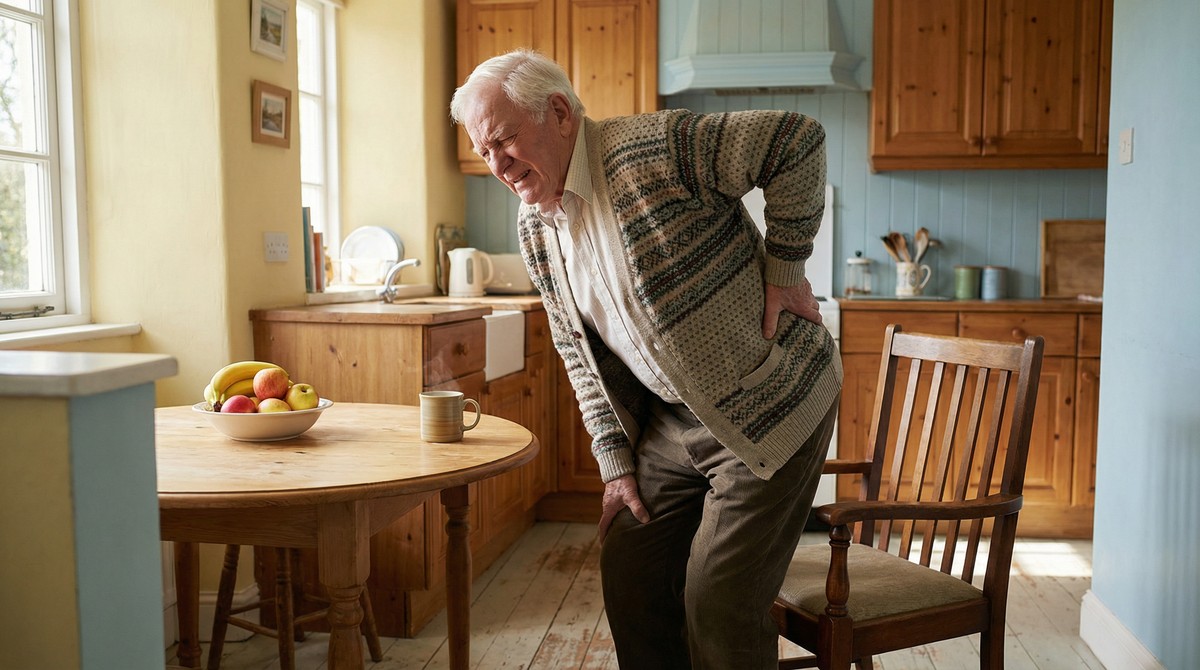
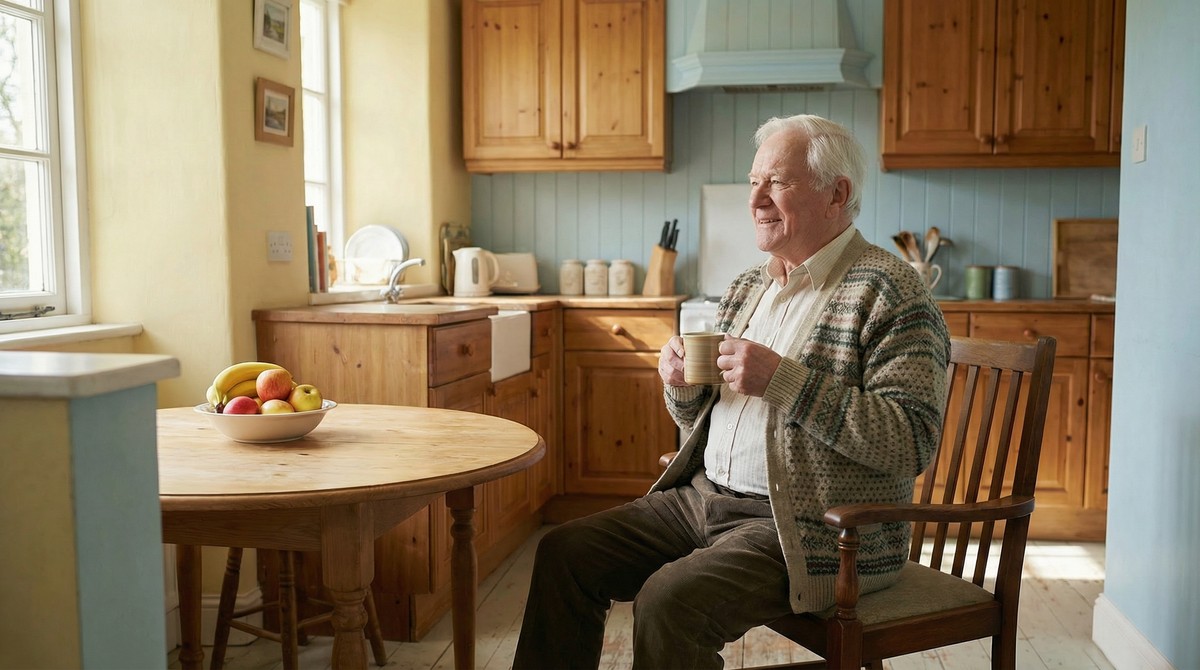


When Sitting Becomes the Enemy
You used to look forward to your morning coffee. Now, the simple act of sitting at the kitchen table fills you with dread. For millions with degenerative disc disease, daily life becomes a series of negotiations with pain.
For millions of adults with degenerative disc disease, daily life becomes a series of negotiations with pain. The activities others take for granted — a long drive, a movie, a round of golf — become calculated risks.
"I can sit through an entire dinner with my grandchildren now—no more getting up every 10 minutes to stretch."
The good news? Advanced regenerative treatments are helping many with degenerative disc disease sit comfortably, stand tall, and move freely again—without fusion surgery.
DDD vs. Herniated Disc
Understanding your diagnosis is the first step toward the right treatment
Degenerative Disc Disease
Gradual disc dehydration, height loss, chronic axial (central) back pain that worsens with sitting
Herniated Disc
Disc material protruding outward, often acute radicular (leg) pain from nerve compression
Our protocols target the inflammatory environment of DDD—helping reduce chronic axial pain and support disc health where possible.
The Fusion Alternative
What they tell you spinal fusion means:
- Loss of spinal mobility at the fused level — forever
- 25-35% risk of adjacent segment disease within 10 years
- 3-6 month recovery with hardware permanently inside you
- Risk of failed back surgery syndrome (up to 40% reoperation rate)
But there's another path that preserves your natural disc function...

"I was scheduled for a two-level fusion. My surgeon said there was no other option. After stem cell therapy, I cancelled the surgery. Two years later, I'm gardening, golfing, and sitting through entire movies without squirming. Standing tall feels natural again."

*Name changed for privacy. Photo may feature a model. Individual results may vary.
What the Research Shows
Peer-reviewed studies demonstrate intradiscal stem cell therapy's potential for disc regeneration
Disc Height & Pain Improvement
Mean improvement from baseline at 24 months
Based on Xie et al. 2021, Stem Cells International (doi:10.1155/2021/9149315)
Pettine et al. (2015)
Stem CellsPatients with DDD receiving intradiscal bone marrow concentrate showed significant pain reduction with mean ODI improvement of ~31 points (baseline 56.5 to 25.0) at 12 months.
Orozco et al. (2011)
TransplantationFirst human trial showing intradiscal MSCs improved disc hydration on MRI (water content increased) with significant pain relief at 1 year.
Noriega et al. (2017)
TransplantationRandomized controlled trial: allogeneic MSC group showed significant ODI and VAS improvement in a subgroup of responders comprising approximately 40% of the cohort at 12 months.
Fusion Surgery vs. Regenerative Approach
Compare the two paths to addressing degenerative disc disease
Spinal Fusion
- Procedure Major spine surgery, hardware implantation
- Recovery 3-6 months, extensive physical therapy
- Risk 25-35% adjacent segment disease at 10 years
- Mobility Permanent loss of motion at treated level
- Reversible No — permanent spine alteration
Regenerative
- Procedure Minimally invasive injection, outpatient
- Recovery Days to weeks, gradual improvement
- Risk Minimal; no reported adjacent segment issues
- Mobility Preserves natural disc motion
- Reversible Yes — no permanent changes
Your Journey to Standing Tall
What to expect during your regenerative disc treatment
Arrival & Assessment
Comprehensive spine evaluation, imaging review, and treatment planning with our specialists
Treatment Protocol
Intradiscal MSC injection + IV systemic therapy for comprehensive disc support
Recovery & Therapy
Guided physical therapy, posture training, and regenerative support protocols
Stand Tall Milestone
Most guests report significant posture improvement and return to sitting comfortably


Ready to Stand Tall Again?
Back pain from degenerative discs doesn't have to mean fusion surgery or giving up standing tall and moving freely. Take our free assessment to explore regenerative alternatives that target the root inflammation and help you reclaim your posture and mobility.
Join guests who've stood taller and moved without pain after regenerative treatment
Your $5,999 Discovery includes a $5,000 credit toward any program — making your net investment just $999.
Individual results may vary. Our protocols are designed to support your body's natural regenerative processes.
Questions guests ask about back pain
Is regenerative therapy an alternative to spinal fusion?
Some guests explore image-guided regenerative options before considering spinal fusion, particularly with degenerative disc disease. It is not a guaranteed alternative to surgery, and structural problems such as significant instability or nerve compression may still require surgical care. A physician reviews your imaging first.
What back conditions are typically assessed?
The partner clinic most often assesses degenerative disc disease and chronic lower back pain. Whether a regenerative approach is appropriate depends on your MRI findings and overall health.
Is stem cell therapy for degenerative disc disease approved by the FDA?
Stem cell therapies are not FDA-approved in the United States for degenerative disc disease, and the FDA has not evaluated these treatments. Care is delivered abroad by licensed physicians at our Sterling-certified partner clinic in Bangkok, Thailand. The information here is educational, is not medical advice, and individual results vary.
Am I a candidate for regenerative therapy for degenerative disc disease?
Candidacy depends on your diagnosis, imaging or test results, overall health, and goals — not everyone is a suitable candidate. The free Sterling assessment reviews your situation in a few minutes, and final eligibility is confirmed on-site after comprehensive bloodwork and a consultation with the physicians at our partner clinic.
How much does treatment cost?
The Discovery Experience is $5,999 and includes a $5,000 credit toward any extended program chosen on the same trip. Because the recommended approach is personalised after your on-site bloodwork and physician assessment, extended-program costs are shared in context rather than published in advance. Begin with the free Sterling assessment to understand the path that fits you.
Who provides the treatment?
Sterling Longevity is a wellness-travel concierge, not a medical provider. We vet partner clinics, coordinate your entire journey, and support you for 12 months — while the treatment itself is delivered by independently licensed physicians at our Sterling-certified partner clinic. You can read how care is governed.
How soon might I notice a change after treatment?
Timelines vary by individual and condition. Some guests describe gradual changes over several weeks to a few months, while others notice less. Regenerative outcomes are not guaranteed, and no specific result can be promised.
Can I travel home after treatment?
Treatments are delivered on an outpatient basis during your stay in Bangkok, and most guests fly home as planned once their program is complete. Your travel timing is confirmed with the physicians at our partner clinic, and Sterling coordinates airport transfers plus 12 months of follow-up support.