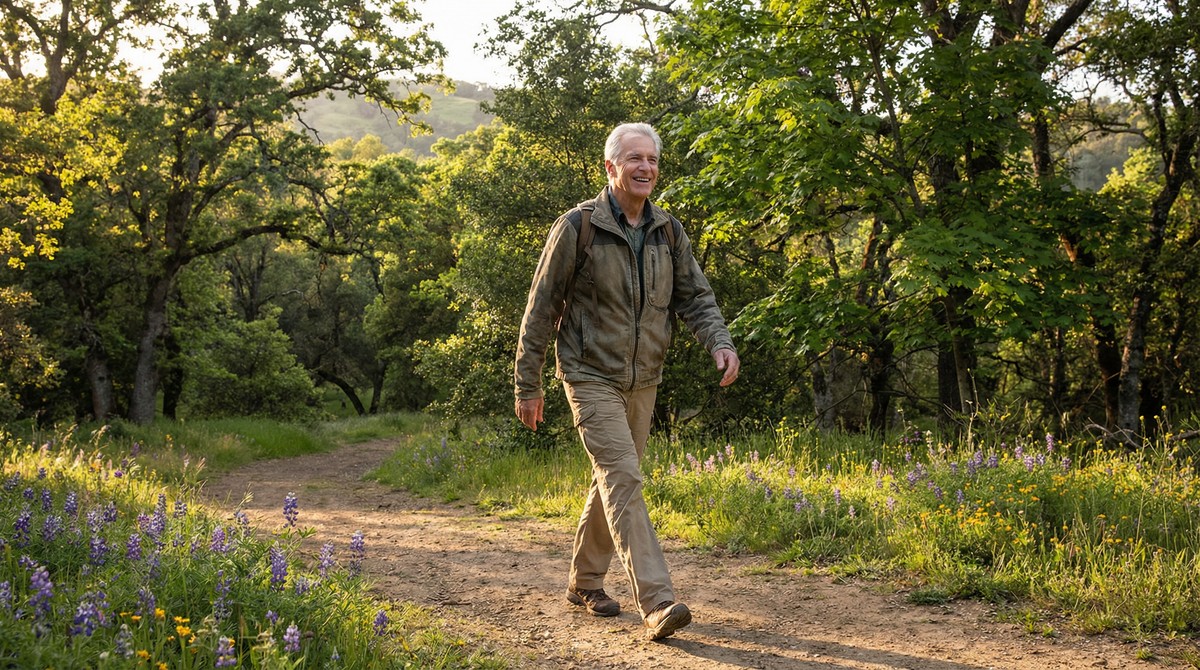
Ankle & Foot Pain: When Walking Becomes Difficult
Your ankle deserves better than chronic instability and endless bracing
When every step hurts and the golf course feels out of reach — discover non-surgical options that restore stability and stride.
Regenerative treatments helping guests recover from ankle sprains, Achilles injuries, and plantar fasciitis—without surgery.
Can regenerative therapy help ankle and foot pain?
Stem cell therapy is a non-surgical option some guests explore for Achilles tendinopathy and degenerative ankle pain. Regenerative protocols use injected cells or mesenchymal-stem-cell-derived exosomes intended to support the affected tendon and joint. Outcomes vary by individual and are not guaranteed; treatment is delivered by licensed physicians at our Sterling-certified partner clinic.
Educational information only — not medical advice, and individual results vary. Treatment is delivered by licensed physicians at our Sterling-certified partner clinic. How care is governed
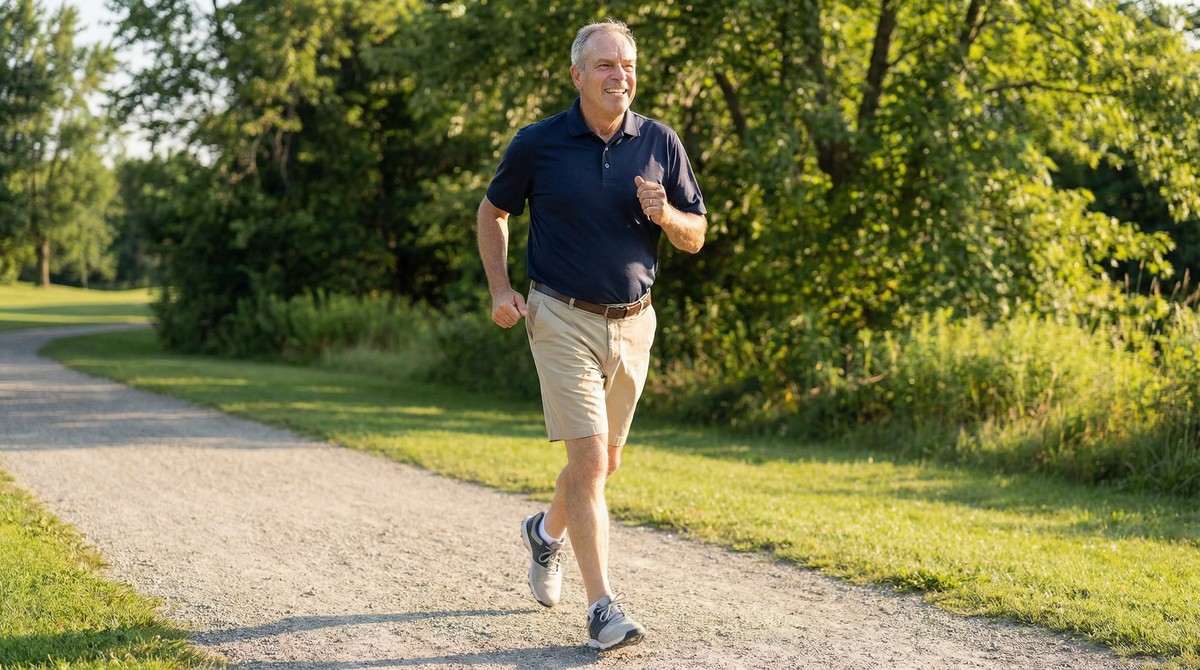
More Than Just a Sprain
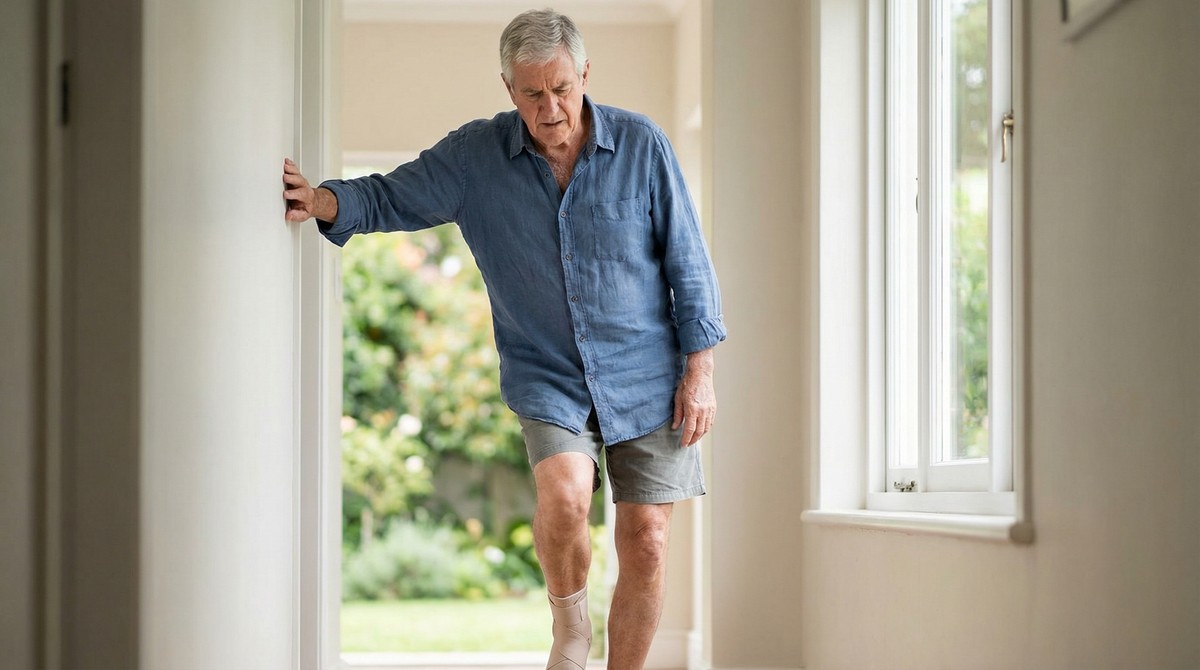
What begins as a misstep on a hiking trail, a sudden pivot during tennis, or repetitive strain from running can evolve into a life-altering condition that strips away mobility, independence, and quality of life.
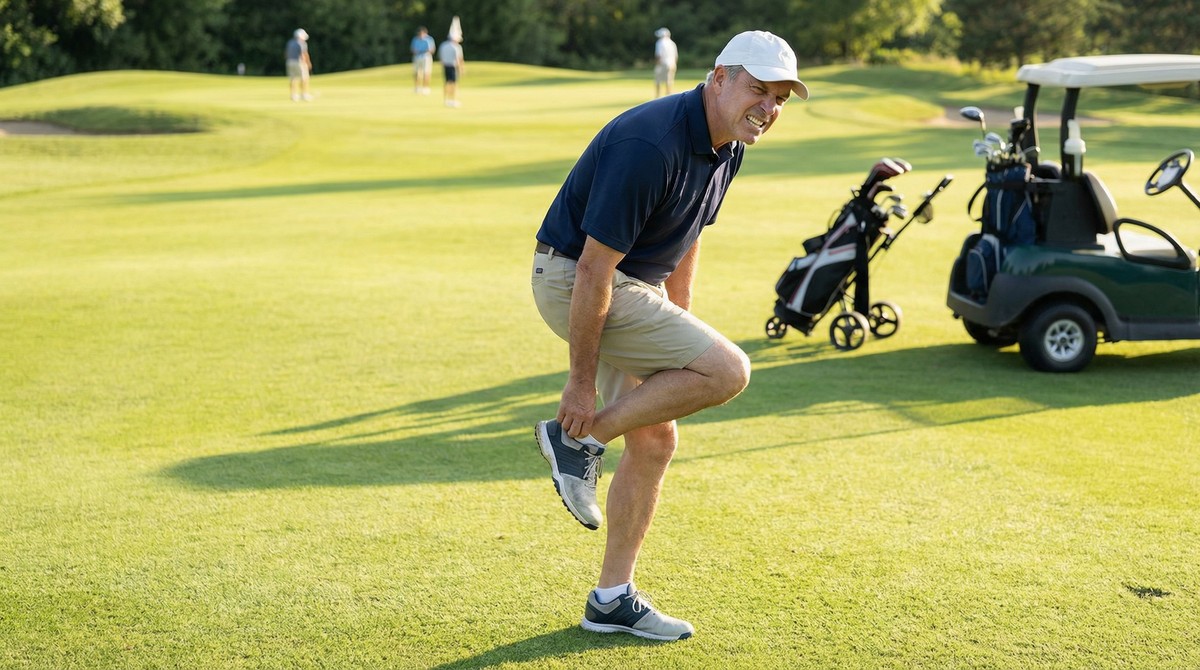
You cannot walk without pain or limping. Normal shoes become unwearable due to swelling. The sports and activities that once defined your lifestyle—running, hiking, tennis, golf—become impossible.
For the active individual, few injuries are as devastating as those affecting the ankle and foot.
The good news? Regenerative treatments are helping many active individuals break the cycle of chronic instability and return to running, hiking, tennis, and golf — without surgery or permanent bracing.
The Hidden Threat
What chronic ankle instability means for your life:
- Chronic instability developing in 10-20% of severe sprains
- Repeated injury cycle leading to progressive joint damage
- Surgical re-rupture rates of 3-8%
- 6-12 months return to sport after conventional repair
But research shows many avoid surgery and chronic bracing...
Conditions We Address
We help guests with these conditions return to walking, running, golf, and tennis — often without surgery or chronic bracing.
Ankle Sprains & Lateral Ligament Tears
Over 2 million cases annually in the US alone
Many lead to chronic instability and fear of re-spraining during golf or hiking
Achilles Tendinopathy & Rupture
The largest tendon, bearing 12x body weight during running
Repetitive strain ends running and tennis for countless active adults
Plantar Fasciitis
Affects 10% of the population at some point
Turns every step into pain, stealing morning walks and daily comfort
Talus Cartilage Lesions
Cartilage with minimal intrinsic healing capacity
Leaves lingering pain and limits impact activities like running or jumping
Why Injuries Heal Poorly
Tendons and ligaments are hypovascular tissues—they receive limited blood supply, which severely restricts the delivery of repair cells and growth factors essential for healing.
When tendons and ligaments do heal naturally, they produce scar tissue that is biomechanically inferior to native tissue:
- Disorganized collagen fiber architecture
- Reduced stiffness and load-bearing capacity
- Increased susceptibility to re-injury
- Chronic inflammation disrupting the healing cascade
Limited Blood Supply
The primary constraint preventing natural tendon and ligament healing

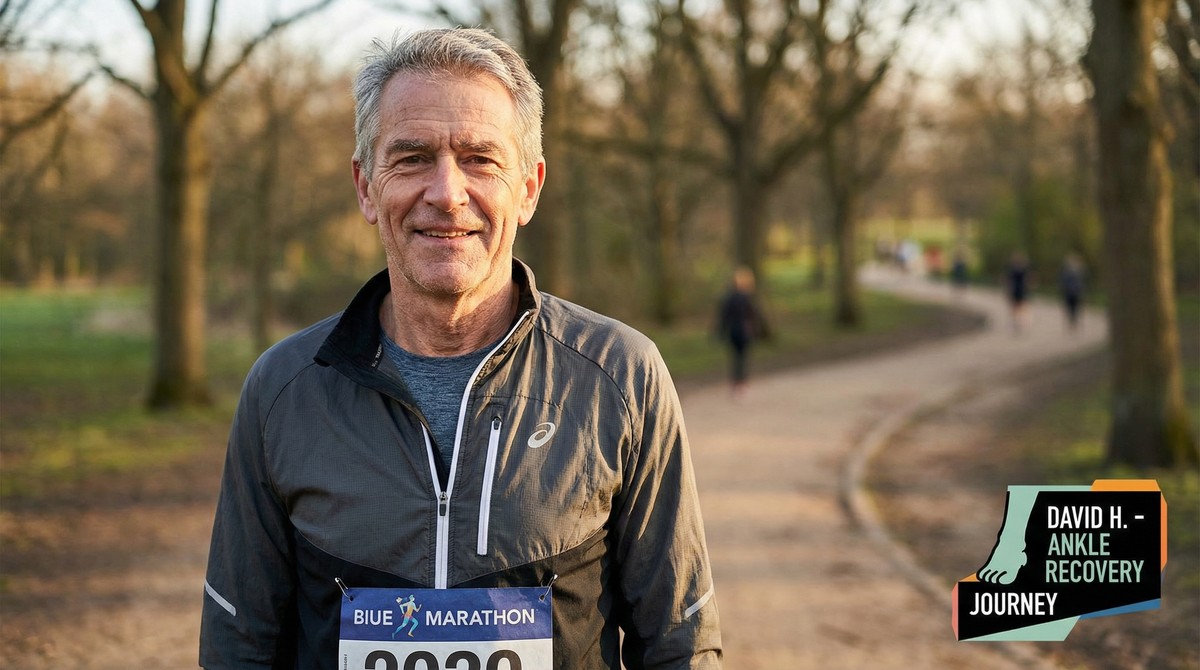
Read David's Full Story"I was told I'd never run again after my Achilles injury. Six months after treatment, I completed a 10K. The team at Sterling Longevity gave me my life back."
*Name changed for privacy. Photo may feature a model. Individual results may vary.
What the Research Shows
Our MSC protocols align with peer-reviewed research, targeting tissue regeneration and stability restoration for lasting relief.
Ankle Stability & Pain Improvement
Functional score improvement from baseline (higher = better)
Based on Hurley et al. and systematic review findings, Foot Ankle Int (2021)
Collagen organization improvement
Im & Kim (2020)
International Journal of Stem Cells
MSCs stimulate organized collagen formation and promote angiogenesis, addressing fundamental biological limitations of tendon and ligament healing.
0 patients
DOI: 10.15283/ijsc20091 PMID: 32840234
Improved function
Migliorini et al. (2022)
J Orthopaedic Surgery and Research
Systematic review of 477 procedures across 7 clinical trials: cell therapies for talar chondral defects showed VAS improvement of 4.4 points (p=0.002) and AOFAS improvement of 31.1 points (p=0.0001).
477 patients
Mirghaderi et al. (2022)
J Experimental Orthopaedics
Systematic review confirms cell therapy efficacy and safety in treating tendon disorders, with consistent pain reduction and functional improvement across clinical studies.
0 patients
DOI: 10.1186/s40634-022-00520-9 PMID: 36042110
Broström Surgery vs. Regenerative Approach
Traditional ankle reconstruction isn't your only option.
Note: Complete ligament rupture with significant retraction may still require surgery. We help identify the best path for your specific situation.
Who It's For / Who It's Not For
Good Candidates
Ideal for partial ligament tears, chronic tendinopathy, early cartilage lesions, and those seeking to avoid or delay surgery.
- Partial ligament tears with mechanical continuity
- Chronic tendinopathy unresponsive to conservative care
- Early-stage cartilage lesions
- Athletes wanting faster return to sport
- Failed surgical cases with scar tissue issues
May Need Surgery First
Complete tendon rupture with significant retraction may still require surgical intervention before regenerative therapy.
- Complete rupture with significant retraction
- Active infection in the joint
- Severe bone deformity requiring correction
- Unrealistic expectations of instant recovery
The Treatment Journey
Arrival & Assessment
Comprehensive evaluation including ultrasound imaging to assess injury extent
Treatment Protocol
Image-guided MSC injection with PRP directly to the injury site
Recovery & Therapy
Supportive care with additional therapies tailored to your needs
Walk Pain-Free
Most guests resume golf, hiking, and daily activities without bracing

Ready to Get Back on Your Feet?
Ankle and foot injuries don't have to end your active lifestyle. Take our free assessment to see if regenerative medicine could help you avoid surgery and return to the activities you love.
Your $5,999 Discovery includes a $5,000 credit toward any program — making your net investment just $999.
Individual results may vary. Regenerative treatments are not guaranteed to prevent surgery in all cases.
Questions guests ask about ankle & foot pain
Can Achilles tendinopathy be treated without surgery?
Chronic Achilles tendinopathy and degenerative ankle pain are sometimes explored with regenerative options as an alternative to surgery. A physician reviews your imaging and symptoms to determine whether a regenerative approach is suitable.
What ankle and foot conditions are typically assessed?
The partner clinic commonly assesses Achilles tendinopathy and degenerative ankle arthritis. Suitability depends on the findings on ultrasound or MRI and your overall health.
Is stem cell therapy for Achilles tendinopathy and ankle pain approved by the FDA?
Stem cell therapies are not FDA-approved in the United States for Achilles tendinopathy and ankle pain, and the FDA has not evaluated these treatments. Care is delivered abroad by licensed physicians at our Sterling-certified partner clinic in Bangkok, Thailand. The information here is educational, is not medical advice, and individual results vary.
Am I a candidate for regenerative therapy for Achilles tendinopathy and ankle pain?
Candidacy depends on your diagnosis, imaging or test results, overall health, and goals — not everyone is a suitable candidate. The free Sterling assessment reviews your situation in a few minutes, and final eligibility is confirmed on-site after comprehensive bloodwork and a consultation with the physicians at our partner clinic.
How much does treatment cost?
The Discovery Experience is $5,999 and includes a $5,000 credit toward any extended program chosen on the same trip. Because the recommended approach is personalised after your on-site bloodwork and physician assessment, extended-program costs are shared in context rather than published in advance. Begin with the free Sterling assessment to understand the path that fits you.
Who provides the treatment?
Sterling Longevity is a wellness-travel concierge, not a medical provider. We vet partner clinics, coordinate your entire journey, and support you for 12 months — while the treatment itself is delivered by independently licensed physicians at our Sterling-certified partner clinic. You can read how care is governed.
How soon might I notice a change after treatment?
Timelines vary by individual and condition. Some guests describe gradual changes over several weeks to a few months, while others notice less. Regenerative outcomes are not guaranteed, and no specific result can be promised.
Can I travel home after treatment?
Treatments are delivered on an outpatient basis during your stay in Bangkok, and most guests fly home as planned once their program is complete. Your travel timing is confirmed with the physicians at our partner clinic, and Sterling coordinates airport transfers plus 12 months of follow-up support.