
Pulmonary Fibrosis: When Every Breath Is a Struggle
There may be options beyond antifibrotics alone.
"I used to walk for miles. Now I get breathless crossing the room."
Regenerative treatments using mesenchymal stem cells (MSCs) are being studied for their potential to reduce lung inflammation and slow fibrotic progression — offering realistic hope for improved quality of life.
Can stem cell therapy help pulmonary fibrosis?
Stem cell therapy for pulmonary fibrosis is an early-stage, experimental area of regenerative medicine that some guests research as part of a broader care plan. Pulmonary fibrosis involves lung scarring that cannot be assumed reversible; this is not FDA-approved, is not a cure, and any benefit is unproven. Care is delivered by licensed physicians at our Sterling-certified partner clinic, and you should continue working with your own pulmonologist.
Educational information only — not medical advice, and individual results vary. Treatment is delivered by licensed physicians at our Sterling-certified partner clinic. How care is governed
The Reality of Living with IPF
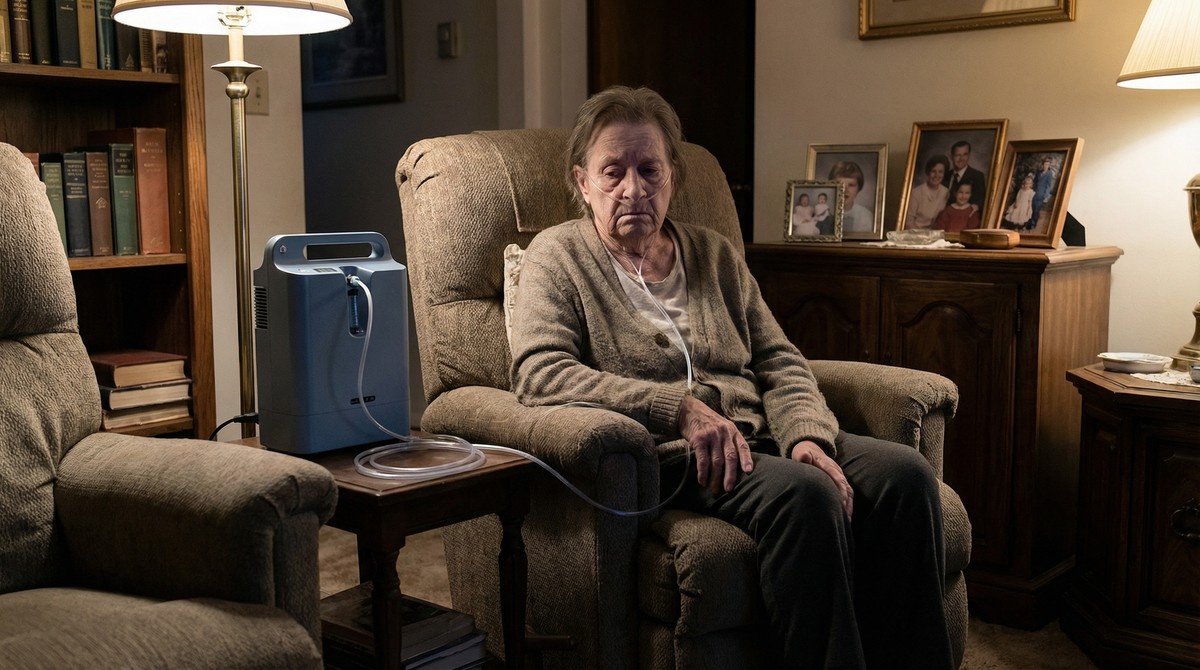
Idiopathic pulmonary fibrosis doesn't just steal your breath — it steals your life. The simple pleasures that once brought joy become exhausting ordeals. Walking to the mailbox feels like climbing a mountain. Conversations are interrupted by breathlessness.
Current antifibrotic medications like pirfenidone and nintedanib can slow progression, but many people continue to decline. The oxygen concentrator becomes a constant companion, the portable tanks a reminder of limitations.
"Every morning I wonder: will today be the day I need more oxygen? Will I make it to my grandchild's graduation?"
But research is revealing new possibilities. Mesenchymal stem cells are being studied for their anti-inflammatory and anti-fibrotic properties — offering a complementary approach that may help slow decline and improve daily comfort.



The Harsh Reality of IPF
Why guests and families are seeking additional options
- Median survival of 3-5 years from diagnosis without treatment
- Antifibrotics slow but don't stop progression for most guests
- Progressive oxygen dependency impacts independence
- Lung transplant — the only "cure" — is available to very few
Regenerative medicine offers a different approach — targeting the inflammatory and fibrotic processes at their source rather than just managing symptoms.
Why the Lungs Scar — And Why They Struggle to Heal
In IPF, the normal wound-healing process goes into overdrive. Microscopic injuries to the lung epithelium trigger a cascade of inflammation and fibroblast activation that never resolves. Instead of healing, the lung lays down more and more scar tissue.
This fibrotic tissue is stiff and thick — it can't exchange oxygen like healthy lung tissue. Over time, the scarring spreads, breathing becomes harder, and oxygen levels drop.
- Epithelial cell injury triggers abnormal repair response
- TGF-β signaling becomes dysregulated, driving fibrosis
- Myofibroblasts deposit excessive collagen
- The lung loses elasticity and gas exchange capacity
Why MSCs Are Being Studied
Mesenchymal stem cells have immunomodulatory and anti-fibrotic properties. In preclinical studies, they've been shown to reduce inflammation, inhibit fibroblast activation, and potentially slow scar tissue formation.

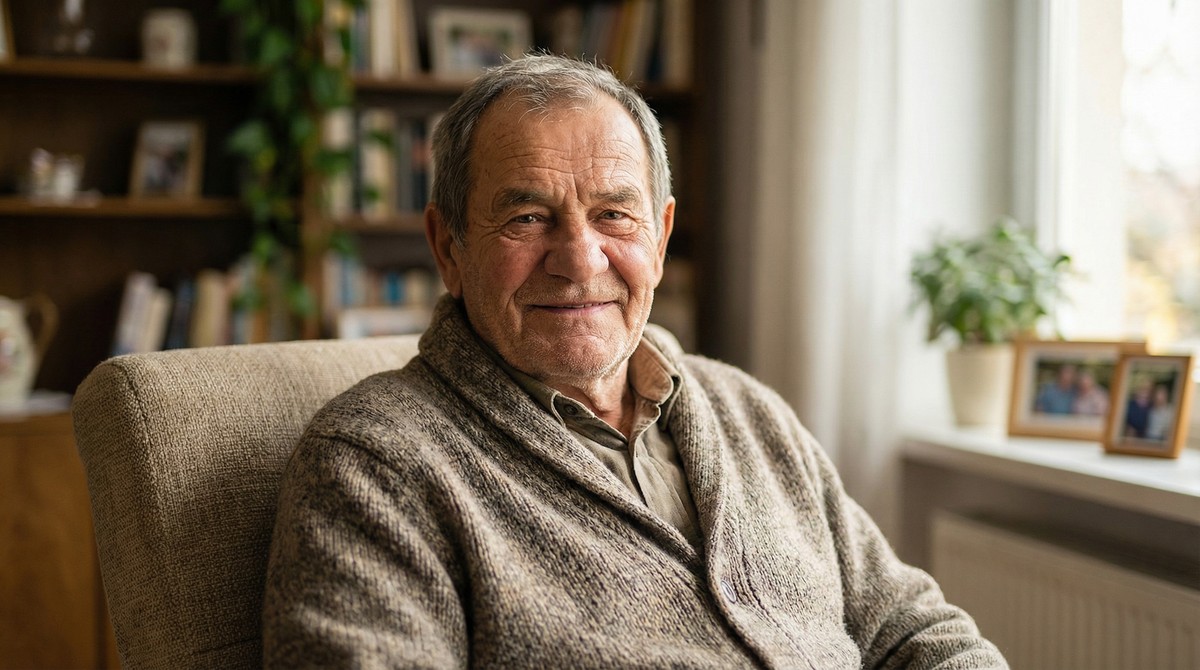
Read William's Full Story"After two years of watching my FVC drop steadily, I needed to try something beyond my daily pills. Six months after the infusions, my numbers have stabilized for the first time. I can walk my dog again without stopping every few steps. That's everything to me."
*Name changed for privacy. Photo may feature a model. Individual results may vary.
What the Research Shows
Early-phase clinical trials have focused on safety and feasibility. While larger Phase III trials are ongoing, initial results are encouraging.
Forced Vital Capacity (FVC) Decline Comparison
% of Baseline FVC Over Time
Based on Glassberg et al. AETHER trial, Chest (2017), doi:10.1016/j.chest.2016.10.016
Glassberg et al. (2017)
Chest, AETHER Phase I
AETHER Phase I safety clinical trial: single IV infusion of allogeneic human MSCs in IPF patients was safe with no treatment-related serious adverse events.
9 patients
DOI: 10.1016/j.chest.2016.10.016 PMID: 29653694
Moodley et al. (2009)
Am J Pathol
UC-MSCs reduced fibrosis in bleomycin-induced lung injury model, demonstrating anti-fibrotic and anti-inflammatory mechanisms relevant to IPF.
Preclinical
Toonkel et al. (2013)
Am J Respir Crit Care Med
Comprehensive review of MSC potential for IPF clinical testing, establishing the scientific rationale for Phase I trials and optimal delivery methods.
Review
Understanding Your Options
Regenerative therapy is designed to complement — not replace — standard care
Important: We recommend continuing your current medications. MSC therapy is being studied as an adjunctive approach, not a replacement for proven treatments.
Is Regenerative Therapy Right for You?
The medical team at our partner clinics evaluates each guest individually to ensure the best possible outcomes
May Be a Good Candidate
Guests who may benefit most from MSC evaluation:
- Diagnosed IPF or confirmed pulmonary fibrosis
- FVC above 40% predicted (mild-moderate disease)
- Stable on current medications
- No active lung infections
- Motivated to explore complementary approaches
- Understand realistic expectations vs. cure
May Not Be Ideal
Guests who may need alternative approaches:
- Very advanced disease (FVC below 40%)
- Active pulmonary hypertension
- Awaiting imminent lung transplant
- Active cancer or serious infection
Your Treatment Journey
Arrival & Comprehensive Assessment
Pulmonary function tests, 6-minute walk test, blood work, and specialist consultation to establish your baseline and personalize your protocol.
MSC Infusion Protocol
IV administration of mesenchymal stem cells in a comfortable clinical setting. Each session includes monitoring and respiratory therapy support.
Recovery & Education
Light activity, breathing exercises, and detailed guidance on follow-up care. The Sterling team ensures you're comfortable before returning home.
Progress Assessment
Follow-up pulmonary function testing to track any changes. Many guests report improved comfort and exercise tolerance by this milestone.

Realistic Treatment Goals
We believe in honest expectations. MSC therapy is not a cure for IPF, but research suggests it may help:
- Slow or stabilize lung function decline
- Reduce shortness of breath during daily activities
- Improve exercise tolerance and quality of life
- Potentially reduce inflammation in lung tissue

Looking for More Tomorrows?
If you're living with IPF and wondering whether regenerative medicine might help slow your decline and improve your daily comfort, our pulmonary specialists are here to help you understand your options.
Your $5,999 Discovery includes a $5,000 credit toward any program — making your net investment just $999.
Individual results may vary. MSC therapy for IPF is investigational and not FDA-approved as a treatment. Consult with your pulmonologist before making any treatment decisions.
Questions guests ask about pulmonary fibrosis
Can stem cell therapy reverse pulmonary fibrosis?
No. Pulmonary fibrosis involves scarring of lung tissue that should not be assumed reversible, and Sterling makes no claim that any treatment reverses it. Regenerative research in this area is early and exploratory. This information is educational; discuss your options with your pulmonologist.
Is regenerative therapy for pulmonary fibrosis experimental?
Yes. Regenerative protocols for pulmonary fibrosis are experimental and are not FDA-approved in the United States. They are delivered abroad by licensed physicians at our Sterling-certified partner clinic, and any benefit is unproven.
Should I stop my current pulmonary fibrosis treatment?
No. Nothing here is a reason to change or stop prescribed antifibrotic medication or other care. Any decision should be made with your treating physician; Sterling coordinates travel and support, not your medical treatment.
Is stem cell therapy for pulmonary fibrosis approved by the FDA?
Stem cell therapies are not FDA-approved in the United States for pulmonary fibrosis, and the FDA has not evaluated these treatments. Care is delivered abroad by licensed physicians at our Sterling-certified partner clinic in Bangkok, Thailand. The information here is educational, is not medical advice, and individual results vary.
Am I a candidate for regenerative therapy for pulmonary fibrosis?
Candidacy depends on your diagnosis, imaging or test results, overall health, and goals — not everyone is a suitable candidate. The free Sterling assessment reviews your situation in a few minutes, and final eligibility is confirmed on-site after comprehensive bloodwork and a consultation with the physicians at our partner clinic.
How much does treatment cost?
The Discovery Experience is $5,999 and includes a $5,000 credit toward any extended program chosen on the same trip. Because the recommended approach is personalised after your on-site bloodwork and physician assessment, extended-program costs are shared in context rather than published in advance. Begin with the free Sterling assessment to understand the path that fits you.
Who provides the treatment?
Sterling Longevity is a wellness-travel concierge, not a medical provider. We vet partner clinics, coordinate your entire journey, and support you for 12 months — while the treatment itself is delivered by independently licensed physicians at our Sterling-certified partner clinic. You can read how care is governed.
How soon might I notice a change after treatment?
Timelines vary by individual and condition. Some guests describe gradual changes over several weeks to a few months, while others notice less. Regenerative outcomes are not guaranteed, and no specific result can be promised.
Can I travel home after treatment?
Treatments are delivered on an outpatient basis during your stay in Bangkok, and most guests fly home as planned once their program is complete. Your travel timing is confirmed with the physicians at our partner clinic, and Sterling coordinates airport transfers plus 12 months of follow-up support.