
Immune Support After Cancer: What It Is and Isn't
Immune restoration for survivors in remission
Chemotherapy saved your life—but it also depleted your immune system. While you're cancer-free, you may feel vulnerable to infections, fatigued, and worried about what's lurking. NK cell therapy can help restore your body's natural defenses.
This therapy is exclusively for guests in confirmed remission. Active cancer patients should consult their oncologist about appropriate treatments.
What is NK and NKT cell therapy for immune support?
Natural killer (NK) and natural killer T (NKT) cell protocols use your own immune cells, drawn and expanded in the laboratory over roughly two to three weeks, and are explored by some guests for immune support and for recovery after immune-depleting treatment. Sterling positions these as immune support — not a cancer treatment — and makes no efficacy or cure claim. They are not FDA-approved; care is delivered by licensed physicians at our Sterling-certified partner clinic, and you should keep your own physicians informed.
Educational information only — not medical advice, and individual results vary. Treatment is delivered by licensed physicians at our Sterling-certified partner clinic. How care is governed


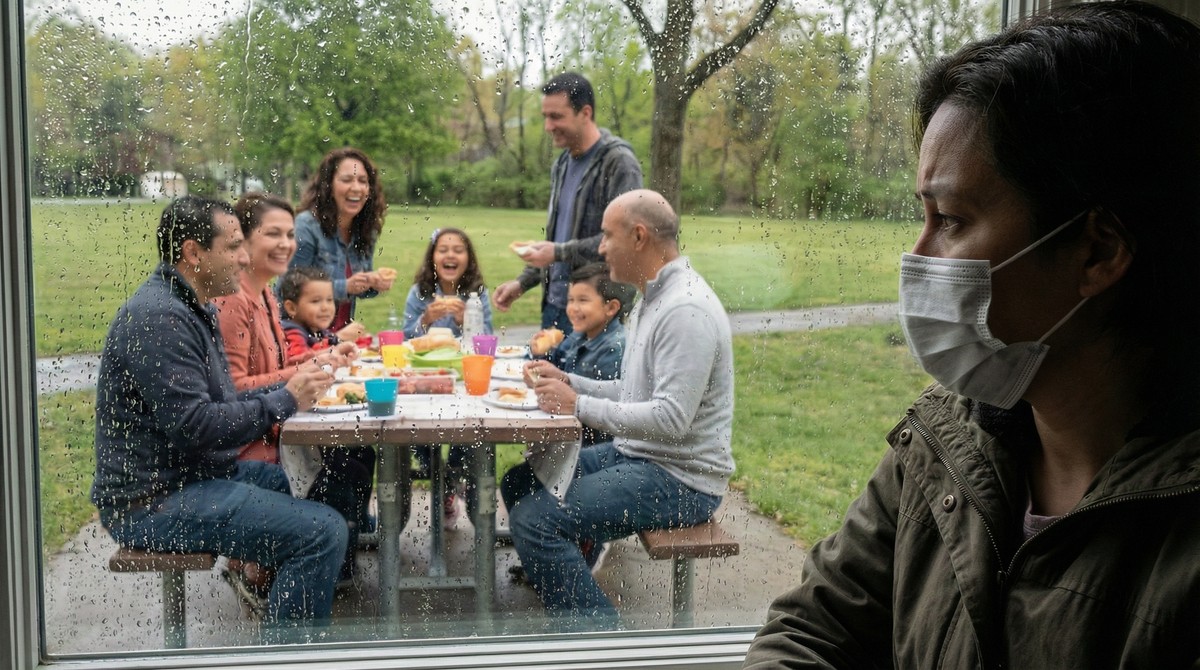

"I Survived Cancer, But I Don't Feel Like Myself"
You rang the bell. You're officially in remission. But instead of feeling invincible, you feel fragile. Every cold feels like a threat. Fatigue lingers. You avoid crowds, decline invitations, watch your grandkids from across the room.
"I beat lymphoma, but 8 months later I was still catching every bug that went around. I couldn't hug my grandkids without worrying. I'd won the battle but felt like I was losing the peace."— Robert, 62, Lymphoma Survivor
Your immune system needs reinforcement.
Chemotherapy saved your life by killing rapidly dividing cells—including your immune cells. NK cell therapy can help rebuild your body's surveillance system and restore your confidence in your own defenses.
The Vulnerability Window
What happens when you "wait for natural recovery"
- Lymphocyte counts can take 12-24+ months to normalize naturally
- NK cell activity may remain suppressed for years post-treatment
- Increased susceptibility to infections, shingles reactivation, pneumonia
- Reduced tumor surveillance during the critical post-remission period
NK cell therapy doesn't just accelerate recovery—it actively rebuilds your body's first line of defense. Studies show 3-5x increase in NK cell activity within weeks, not years.
Why Your Immune System Needs Help
Chemotherapy is designed to kill rapidly dividing cells—cancer cells, but also your immune cells. While your bone marrow begins producing new cells after treatment, certain immune functions take much longer to recover.
The Post-Chemo Immune Gap
- 1 Chemotherapy depletes lymphocytes, including NK cells
- 2 Bone marrow slowly rebuilds basic immune cells
- 3 NK cell numbers recover, but function remains impaired
- 4 Vulnerability window persists for months to years
- 5 Reduced surveillance increases infection and recurrence risk
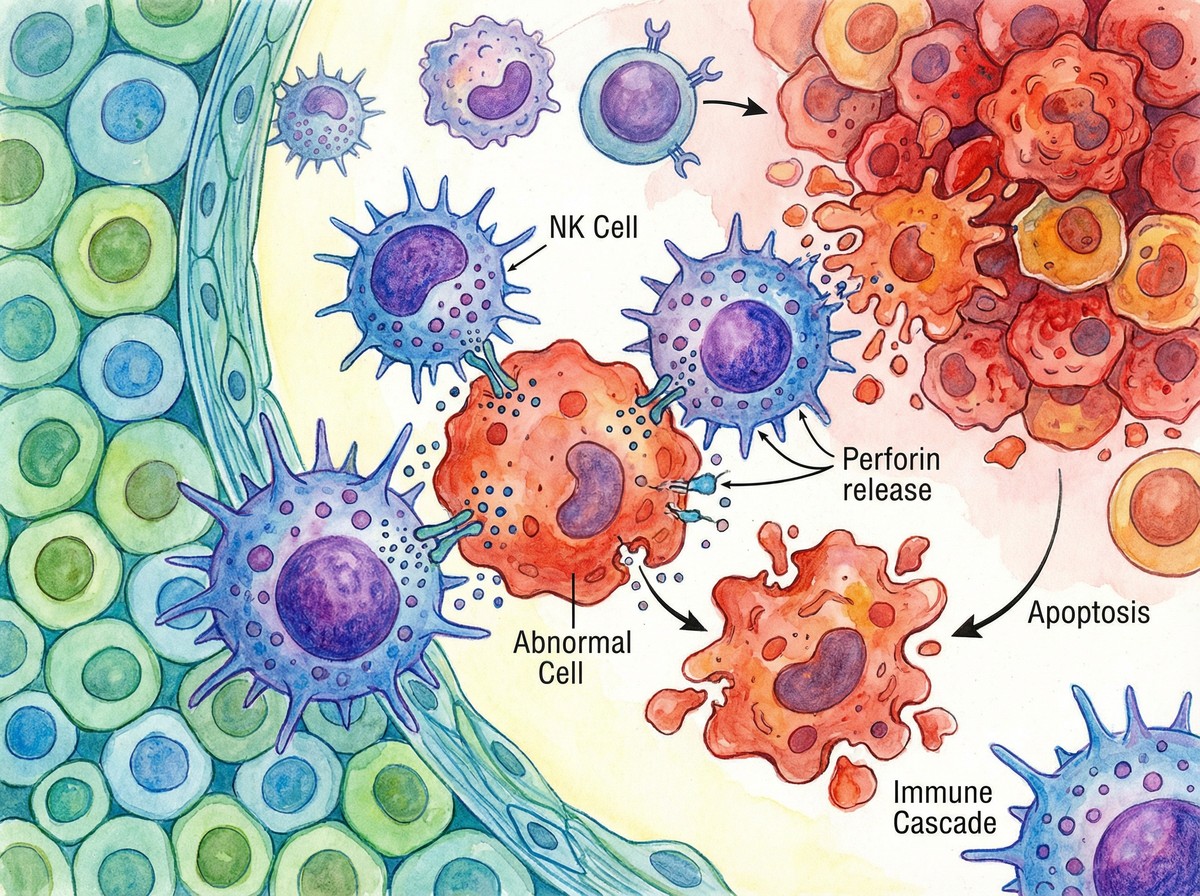
NK cells are your body's "first responders"—they identify and eliminate threats before your adaptive immune system even knows there's a problem.
How NK Cell Therapy Restores Immune Function
Tumor Surveillance
NK cells patrol your body 24/7, identifying and eliminating any abnormal cells that may have survived treatment or emerged since.
Infection Defense
Restored NK activity provides first-line defense against viral and bacterial infections when your adaptive immunity is still recovering.
Cytokine Balance
MSCs help regulate inflammatory cytokines, reducing chronic inflammation while enhancing targeted immune responses.

"Eight months after finishing chemo for lymphoma, I was still getting sick every few weeks. My oncologist said my counts were 'recovering' but I didn't feel recovered. Three months after NK cell therapy, I finally hugged my grandkids without fear. I haven't had a serious infection since."
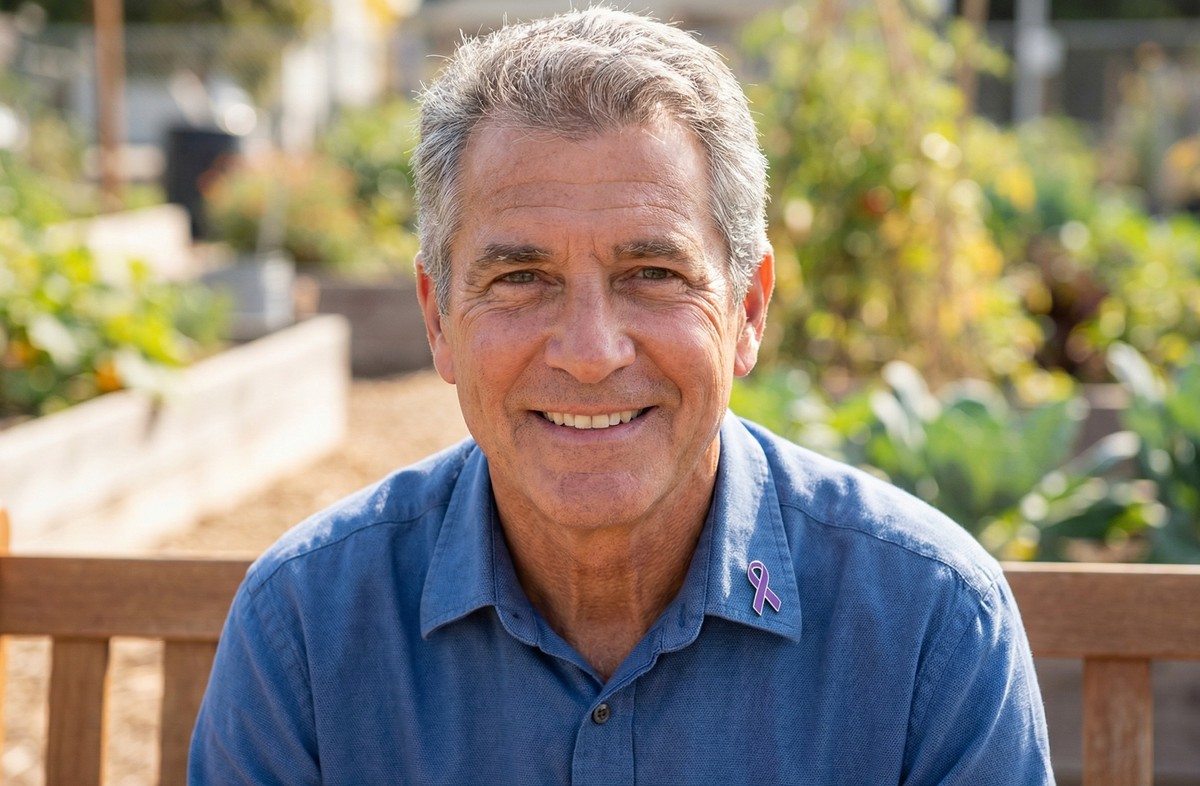
*Name changed for privacy. Photo may feature a model. Individual results may vary.
What the Research Shows
Peer-reviewed studies demonstrate accelerated immune recovery in cancer survivors
Immune Cell Recovery Post-Treatment
Lymphocyte count (cells/μL) over time
Normal range: 1500-4000 cells/μL
Based on Miller et al., Frontiers in Immunology (2022)
Shi et al. (2015)
Journal of Translational Medicine
Phase I trial of autologous NK cell therapy in NSCLC patients demonstrated safety and showed NK cell cytotoxicity enhancement after infusion.
0 patients
Vivier et al. (2008)
Nature Immunology
Foundational review establishing the immunological functions of NK cells including cytotoxicity, cytokine production, and immune surveillance mechanisms.
0 patients
DOI: 10.1038/ni1582 PMID: 18304047
Panda et al. (2009)
Trends in Immunology
Review of human innate immunosenescence — how aging reduces NK cell function and immune surveillance, providing the rationale for NK cell supplementation therapies.
0 patients
DOI: 10.1016/j.it.2009.05.004 PMID: 19631514
Understanding Your Options
Compare natural immune recovery with supported reconstitution
Note: All immune support therapy requires coordination with your oncologist and confirmed remission status. We work as part of your existing care team.
Is Immune Support Right for You?
This therapy is specifically designed for cancer survivors in confirmed remission
Ideal Candidates
Guests who meet all of the following criteria:
- Confirmed remission (no active cancer)
- Completed chemotherapy or radiation at least 4-6 weeks prior
- Experiencing lingering immune weakness or frequent infections
- Oncologist approval for supportive immune therapy
- Wanting to accelerate return to normal life activities
Not Appropriate For
This therapy is NOT suitable for:
- Active cancer or undergoing treatment
- Unconfirmed remission status
- Currently on immunosuppressive therapy
- Active infection or sepsis
Your Path Back to Full Immunity
Most guests notice improved resilience within the first month
Initial Boost
NK cell activity increases significantly. Many guests report improved energy and reduced susceptibility to minor infections.
Building Momentum
Lymphocyte counts begin rising. Guests often notice they're recovering faster from colds and minor illnesses.
Meaningful Recovery
Most guests see lymphocyte counts approaching normal ranges. Confidence in immune function grows substantially.

Sustained Resilience
Long-term immune reconstitution continues. Many guests return to full activities with confidence.

Ready to Rebuild Your Defenses?
If you're in remission and ready to accelerate your immune recovery, our specialists can help determine if NK cell therapy is right for you.
Your $5,999 Discovery includes a $5,000 credit toward any program — making your net investment just $999.
Oncologist coordination required. We work with your existing care team.
Questions guests ask about immune support
Is NK or NKT cell therapy a cancer treatment?
No. Sterling positions NK and NKT cell protocols as immune support and recovery, not as a cancer treatment, and makes no claim to treat or cure cancer. If you have a cancer diagnosis, decisions belong with your oncologist; this information is educational only.
Who explores immune-support cell therapy?
Guests considering immune-support protocols often include those experiencing age-related immune decline or recovering after immune-depleting therapy such as chemotherapy. Suitability is determined on-site after bloodwork and a physician consultation; not everyone is a candidate.
Is immune-support cell therapy FDA-approved?
No. NK and NKT cell protocols are not FDA-approved in the United States for immune support, and any benefit is unproven. They are delivered abroad by licensed physicians at our Sterling-certified partner clinic, and the information here is educational.
Is stem cell therapy for immune decline approved by the FDA?
Stem cell therapies are not FDA-approved in the United States for immune decline, and the FDA has not evaluated these treatments. Care is delivered abroad by licensed physicians at our Sterling-certified partner clinic in Bangkok, Thailand. The information here is educational, is not medical advice, and individual results vary.
Am I a candidate for regenerative therapy for immune decline?
Candidacy depends on your diagnosis, imaging or test results, overall health, and goals — not everyone is a suitable candidate. The free Sterling assessment reviews your situation in a few minutes, and final eligibility is confirmed on-site after comprehensive bloodwork and a consultation with the physicians at our partner clinic.
How much does treatment cost?
The Discovery Experience is $5,999 and includes a $5,000 credit toward any extended program chosen on the same trip. Because the recommended approach is personalised after your on-site bloodwork and physician assessment, extended-program costs are shared in context rather than published in advance. Begin with the free Sterling assessment to understand the path that fits you.
Who provides the treatment?
Sterling Longevity is a wellness-travel concierge, not a medical provider. We vet partner clinics, coordinate your entire journey, and support you for 12 months — while the treatment itself is delivered by independently licensed physicians at our Sterling-certified partner clinic. You can read how care is governed.
How soon might I notice a change after treatment?
Timelines vary by individual and condition. Some guests describe gradual changes over several weeks to a few months, while others notice less. Regenerative outcomes are not guaranteed, and no specific result can be promised.
Can I travel home after treatment?
Treatments are delivered on an outpatient basis during your stay in Bangkok, and most guests fly home as planned once their program is complete. Your travel timing is confirmed with the physicians at our partner clinic, and Sterling coordinates airport transfers plus 12 months of follow-up support.